
Multi engine rating
Course Program
Multi-Engine Rating
Multi-engine training enables pilots to safely operate aircraft equipped with more than one engine. This rating is typically pursued after obtaining a Private Pilot Licence (PPL) or Commercial Pilot Licence (CPL) and is an important step for pilots aiming to advance into airline and professional aviation roles.
Eligibility Requirements
Valid Pilot Licence
Applicants must hold a valid PPL or CPL issued by DGCA or another recognised aviation authority in India.
Flight Experience
Candidates should meet the required minimum total flying hours, generally around 185 hours of logged flight time, before starting multi-engine training.
Medical Certification
A current and appropriate aviation medical certificate is mandatory, based on the aircraft category and licence level.

Course Program
About Program
Multi-Engine Pilot Training Programme
Multi-engine pilot training is an advanced rating that authorises a pilot to fly aircraft equipped with more than one engine. It is added on top of a Private Pilot Licence (PPL) or Commercial Pilot Licence (CPL) and is a key qualification for pilots planning to move into professional and airline aviation.
This training programme combines technical classroom instruction with specialised flight training focused on multi-engine aircraft handling and safety.
Training Components
Ground Training
The theoretical phase focuses on multi-engine aircraft systems and performance. Students study engine and fuel systems, aerodynamics differences, performance planning, weight and balance, emergency handling, and operational factors unique to twin-engine aircraft.
Practical Flight Training
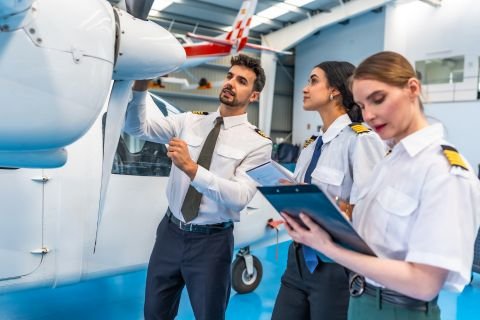
Flight sessions provide hands-on experience in multi-engine operations. Training includes standard procedures, engine-out drills, single-engine performance, asymmetric handling, and emergency response techniques to ensure safe aircraft control under all operating conditions.
Course Program
Document Required
Flight Logbook Copies
Applicants must submit updated logbook records showing their total flight time, Pilot-in-Command (PIC) hours, cross-country flights, and other relevant flying experience for verification.
Academic Certificates
Copies of high school or college certificates, along with mark sheets or transcripts, are required to confirm educational eligibility.
Proof of Identity
A valid passport or government-issued photo identification must be provided to complete identity verification during the enrolment process.
Talk to our trainers for more details about the course.